
Concrete floor paint: which system to choose? Acrylic · Epoxy · PU
Different concrete floors need different kinds of paint, and using the wrong system is a major reason paint peels within a year. This page sums up what your floor should use, and we take on homes, factories and large areas nationwide.
The 3 main concrete floor paint systems: how do they differ?
Concrete floors face different levels of load, moisture and abrasion. Matching the system to actual use matters more than choosing a brand or color.
Acrylic — general use, budget-friendly
Water-based, fast-drying and low-odour, UV-resistant and holds its shade well. Suited to foot-traffic areas, home car ports and rooftops, and to work that does not carry heavy loads or chemical contact.
Epoxy — factories, warehouses, heavy-duty floors
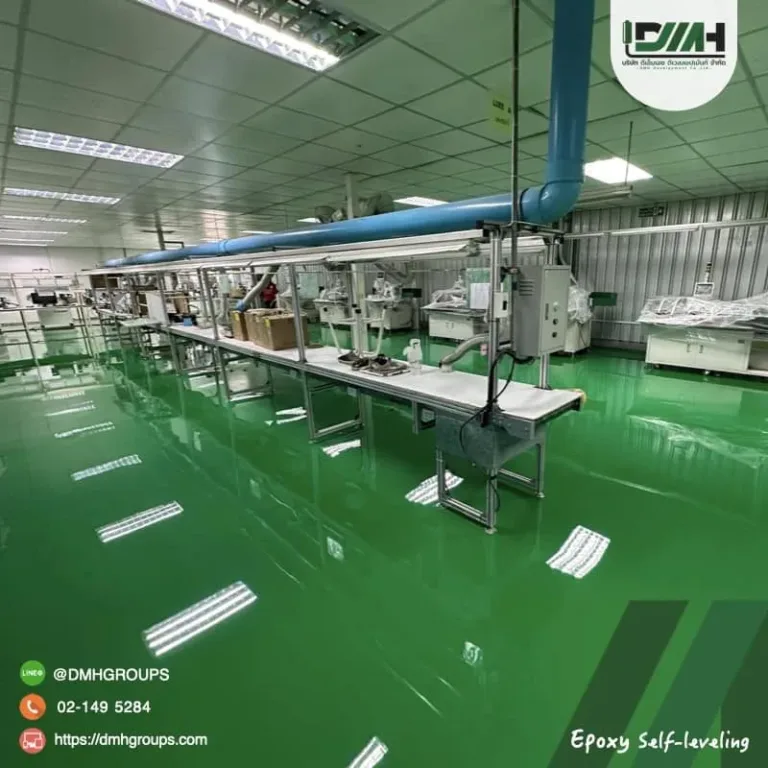
A hard, easy-to-clean surface that resists abrasion and chemicals. Widely used in factories and warehouses, and available as a roller-applied or poured self-leveling system.
PU (polyurethane) — flexible, temperature resistant
Tougher and more flexible than epoxy, it tolerates structural movement, UV and a wide temperature range. Suited to outdoor floors, cold rooms, food factories and areas that are washed frequently.
Which system suits which floor?
If you are not sure which type your floor falls into, our crew will survey the site free of charge and recommend the system that fits.
Home driveways · Walkways · Low-traffic rooftops
Acrylic is enough here: low cost and quick to apply. If the rooftop also leaks, install a waterproofing system first and then paint over it.
Factories · Warehouses · Storage facilities
Epoxy is the main choice. If forklifts run constantly or the floor takes heavy impact, increase the thickness or use the PU HF system.
Food factories · Cold rooms · Frequently washed areas
Use PU, because it handles a wider temperature range and is more flexible. Standard epoxy can crack when temperatures change quickly.
Outdoor floors in constant sun
Avoid bare epoxy, because it yellows under UV. Finish it with a PU or acrylic top coat.
Why concrete floor paint peels — and how we prevent it
On real job sites, almost all peeling problems come not from paint quality but from surface preparation.
Too much moisture in the slab
Moisture pushes up on the paint film from below until it blisters and lifts. We measure moisture before every job, and work starts only when it is within the limit.
Concrete surface not opened up
Paint applied over a slick or dusty surface will not bond. We always open up the surface first with a grinder or by shot blasting.
Skipping the primer
The primer is the layer that determines the life of the whole system. Skipping it to cut costs is why cheap jobs often don't last a year.
Wrong system for the use
House paint in a factory, or epoxy used outdoors, will fail quickly even if every step is done correctly.
How the DMH team works
Every job follows this sequence, with no steps skipped to save time or cost.
01 Site survey and moisture testing (free)
We check the existing floor, cracks, moisture and how the floor is actually used, then propose a suitable system along with a quotation.
02 Surface preparation
Grind to open up the concrete surface, repair cracks and voids, and level low spots — this step takes the bulk of the time and is the critical one.
03 Apply the primer
The primer is applied so it soaks into the pores, improving adhesion between the concrete and the coating layers above.
04 Coating system application to specification
Applied by roller or poured to the agreed number of coats and thickness, with drying time between coats as the material requires.
05 Curing and handover
The system is left to cure fully before the area is used, followed by a handover inspection with care and maintenance advice.
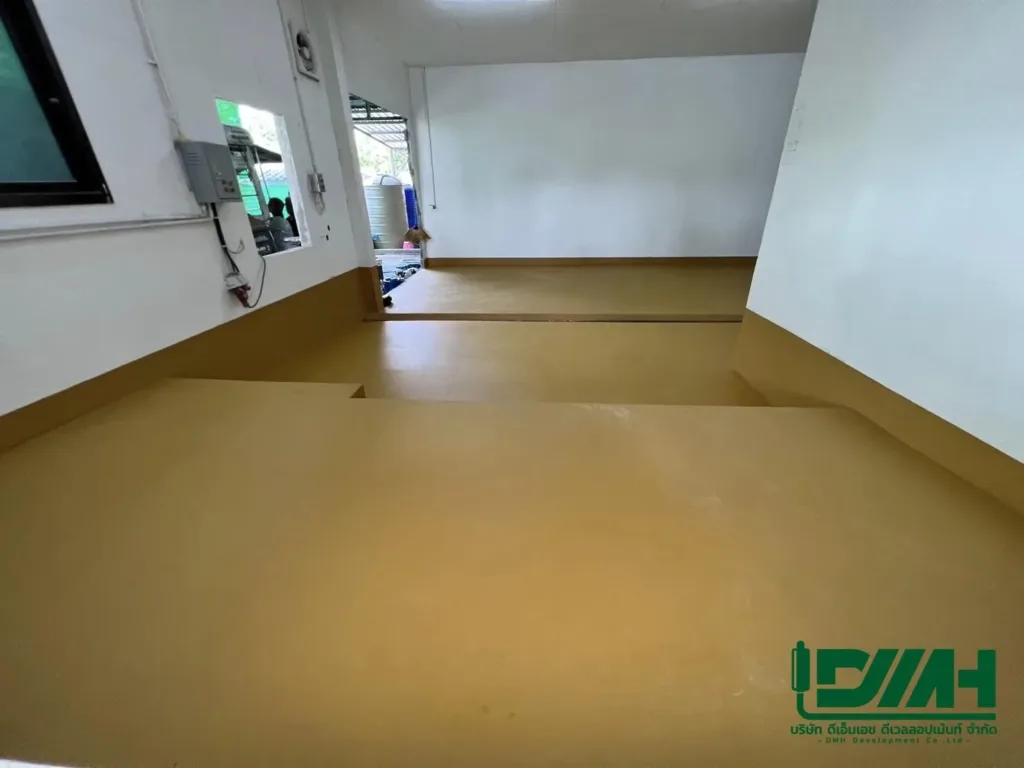
Concrete floors coated by DMH's own team
On every job, we grind the floor before applying the system, and we do not coat over a floor that is not ready.
Questions clients often ask before ordering concrete floor painting
Common questions from real job sites. If you can't find the answer you need, just message our team.
Which concrete floor paint system should factories and warehouses use?
Can newly poured concrete be painted straight away?
The floor is already painted. Can it be painted over straight away?
How many days must the area stay out of use once the work is finished?
What is the difference between concrete floor paint and epoxy flooring?
How is the price worked out, and is there a charge for the site survey?
Not sure which system your concrete floor needs?
Let the DMH Groups team survey your site, inspect the floor and prepare a quotation, free of charge, nationwide.