PU flooring contractor, all systems · 20+ years of experience
PU (polyurethane) flooring is used for factory floors, cold rooms, sports courts and rooftop waterproofing, and each job calls for a different system. The DMH Groups team surveys the site and recommends a suitable system before work starts.
What is PU flooring, and how is it different from epoxy flooring?
PU flooring is a floor coated with polyurethane, a material that is more flexible than epoxy, so it copes well with slab movement and temperature changes. The DMH Groups team installs PU flooring for factory floors, cold rooms, sports courts and rooftop waterproofing. For general background on the material, see Polyurethane (Wikipedia)
If you are still unsure whether to choose PU or epoxy, read the detailed comparison in Epoxy vs PU vs polished concrete floors — or see our epoxy flooring service
Which PU flooring systems does DMH Groups install?
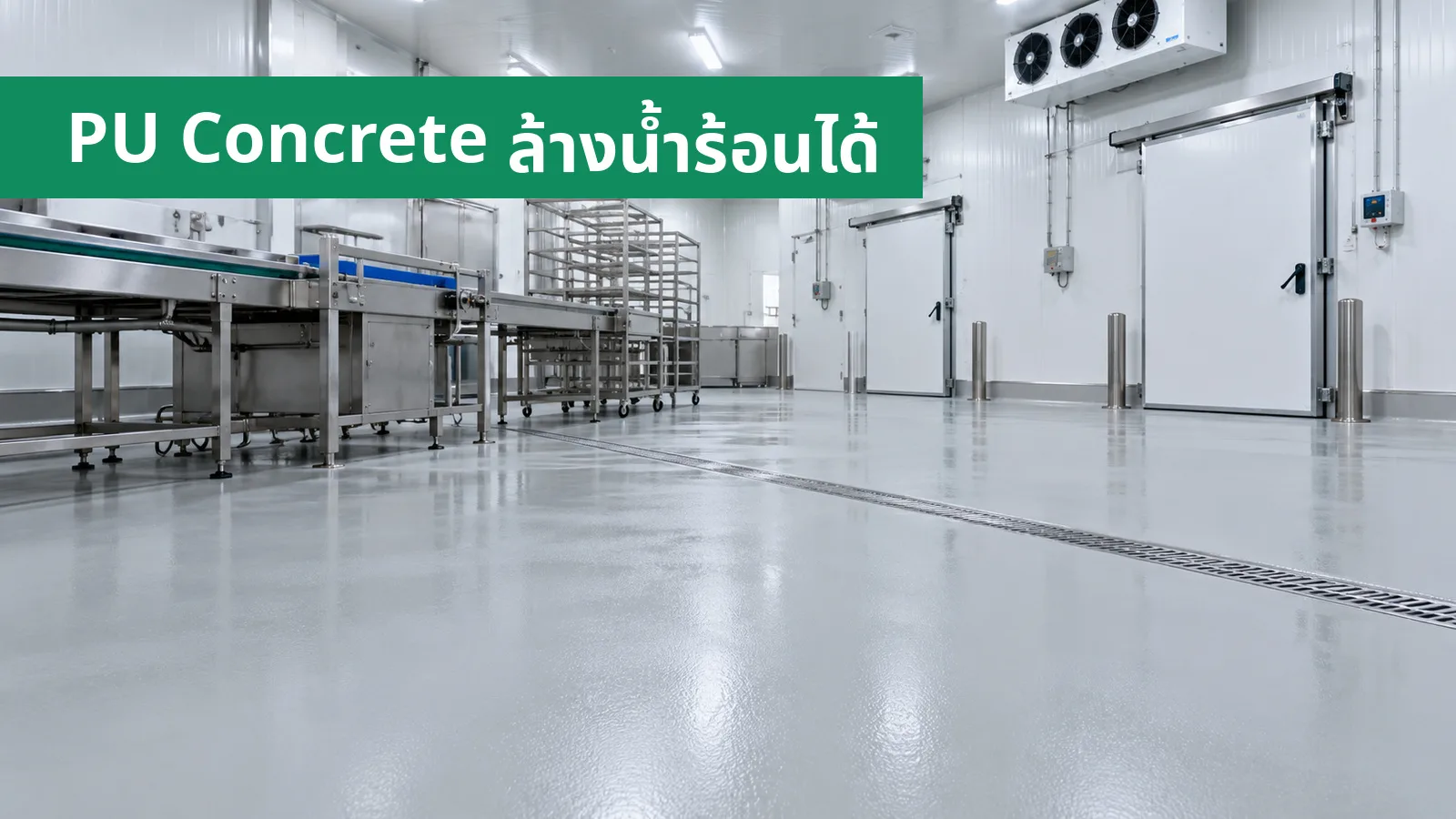
PU Concrete
A thick floor for heavy-duty use that can be washed with hot water or steam, used in cold rooms, food and beverage factories and industrial kitchens. Read more: Cold room floors: which system to choose
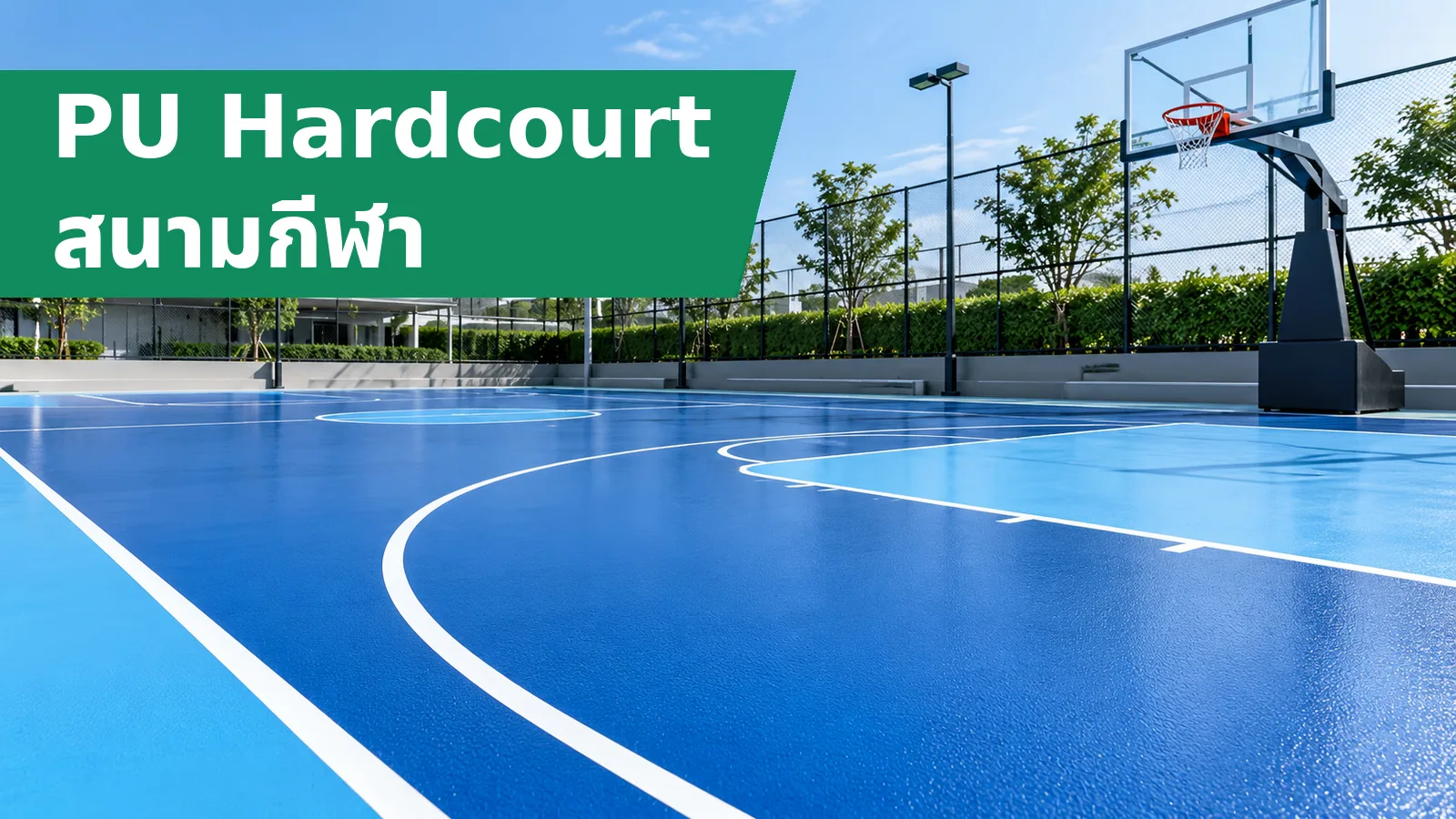
PU Hardcourt
A resilient sports court surface that reduces impact on the ankles, suited to basketball and multi-purpose courts, indoors and outdoors. Installed with a Moisture Barrier layer to guard against moisture from the concrete slab. Read more: PU sports court paint
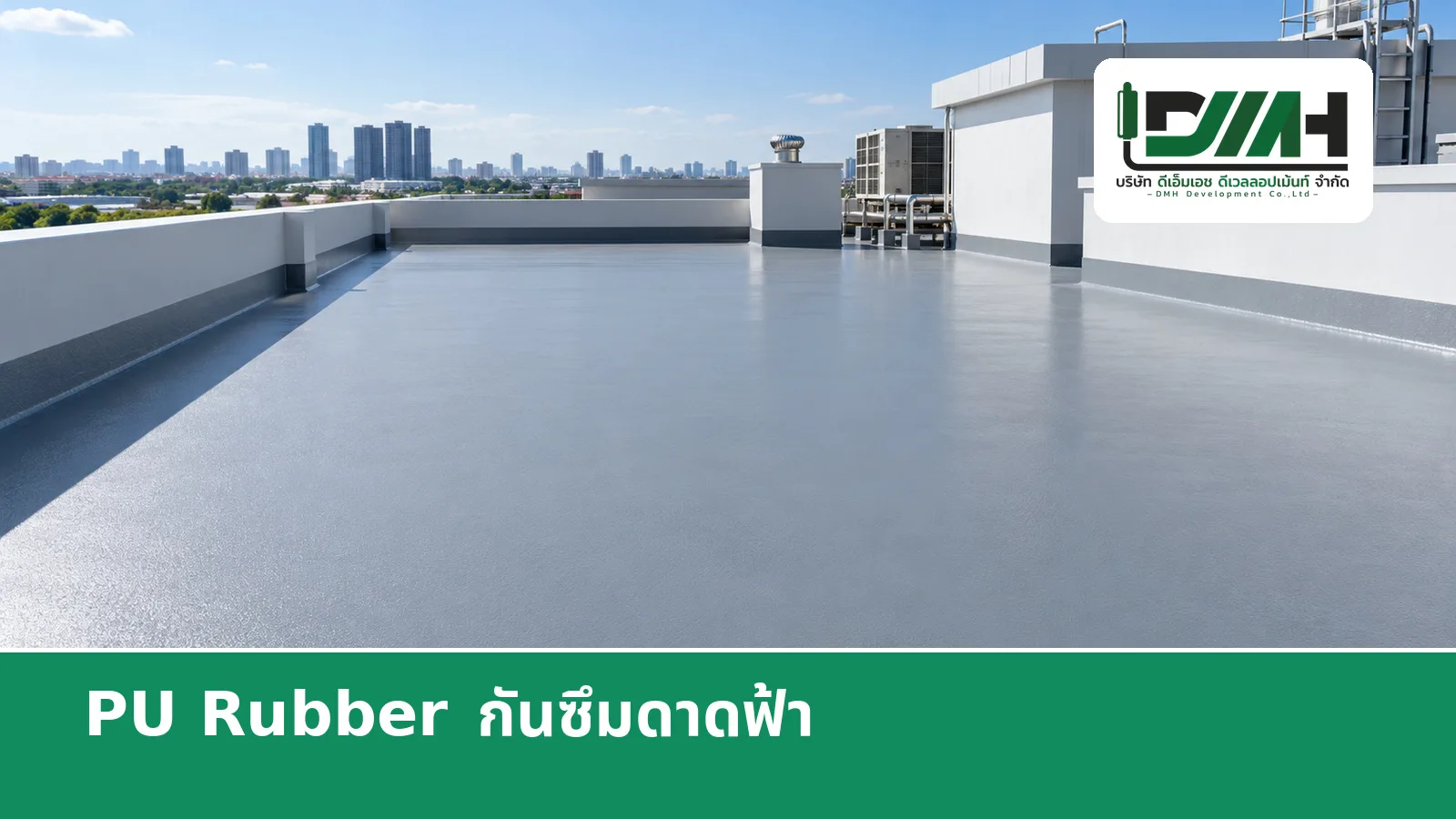
PU Rubber waterproofing
A waterproof coating for rooftops and open areas, with a continuous, seamless surface that helps reduce leak points.
Not sure which system your site needs? Talk to our installation crew on LINE @DMHGROUPS or call 083-805-2305 for a free site assessment.
When should you choose PU flooring?
Choose PU flooring when your site has the conditions below. General areas that are not washed with hot water can usually use epoxy.
- Areas washed regularly with hot water or steam
- Areas with fluctuating temperatures, such as cold rooms and freezer rooms
- Sports courts that need a resilient surface
- Concrete floors with hairline cracks that move with temperature changes
Read more: Can PU flooring get wet? · How many years does a PU floor last? · PU flooring pros and cons
PU flooring installation: what are the steps?
Our crew carries out PU flooring work in 5 steps, from site survey to handover.
- Survey the site and check moisture and the condition of the existing floor
- Prepare the floor by grinding, then repair cracks and level
- Apply a primer or a Moisture Barrier layer, as the site requires
- Apply the chosen PU system at the specified thickness and number of coats
- Inspect and hand over, with advice on floor care
What do PU floors installed by the DMH team look like?

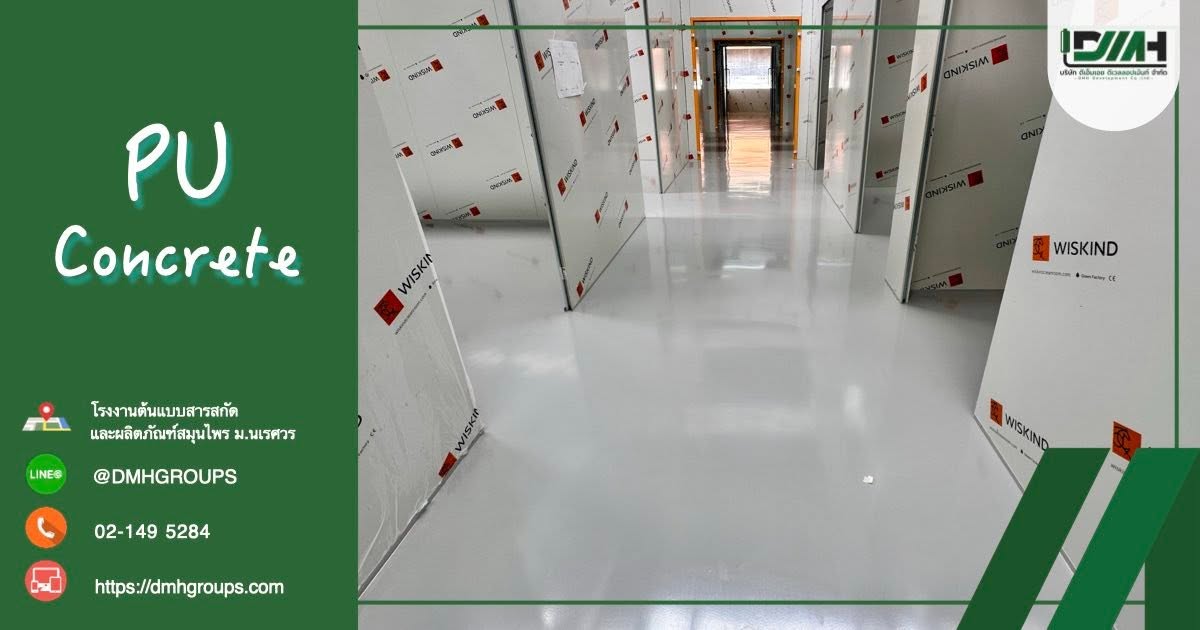
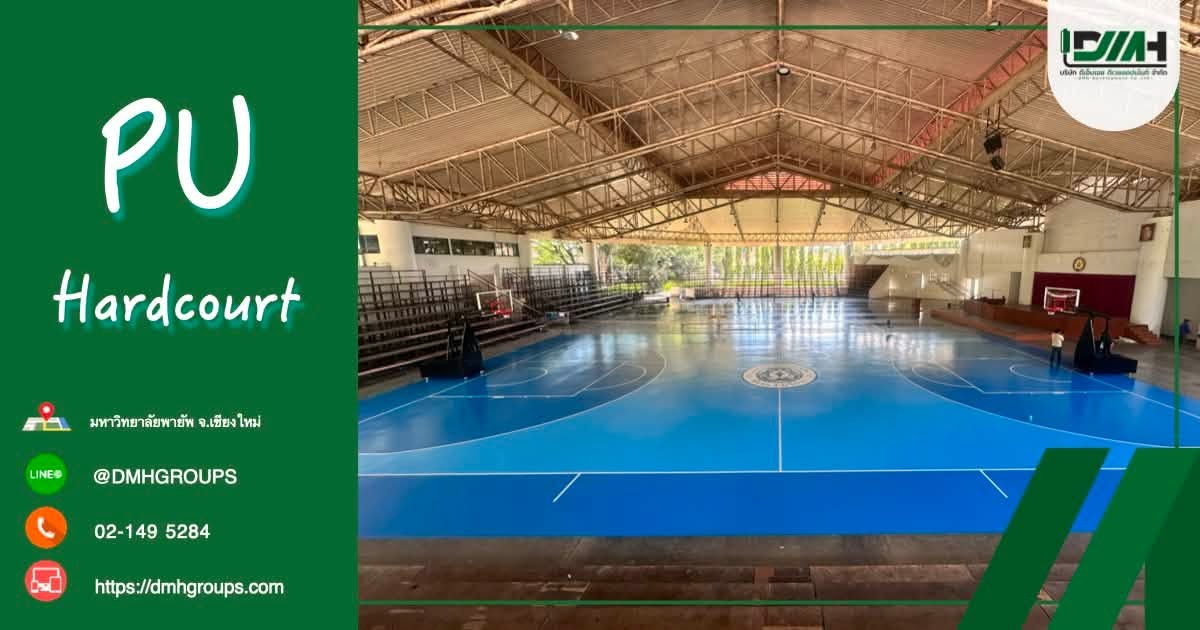
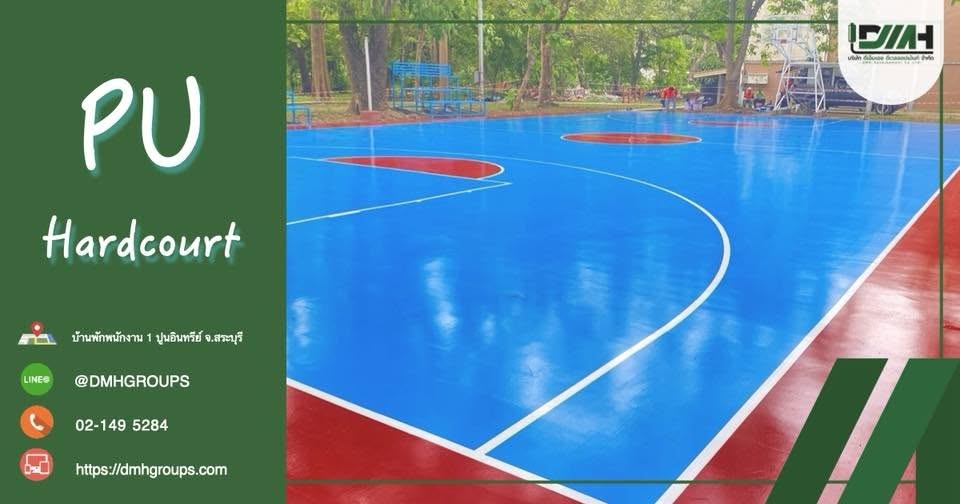
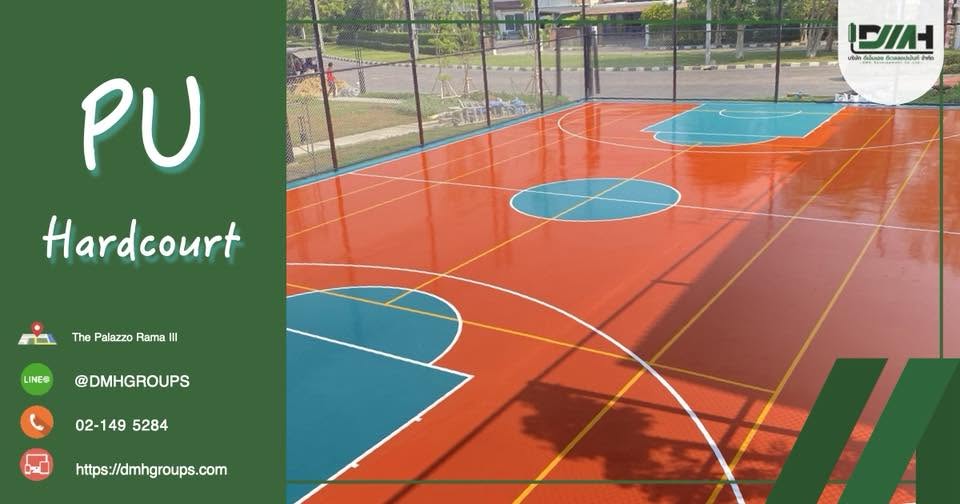
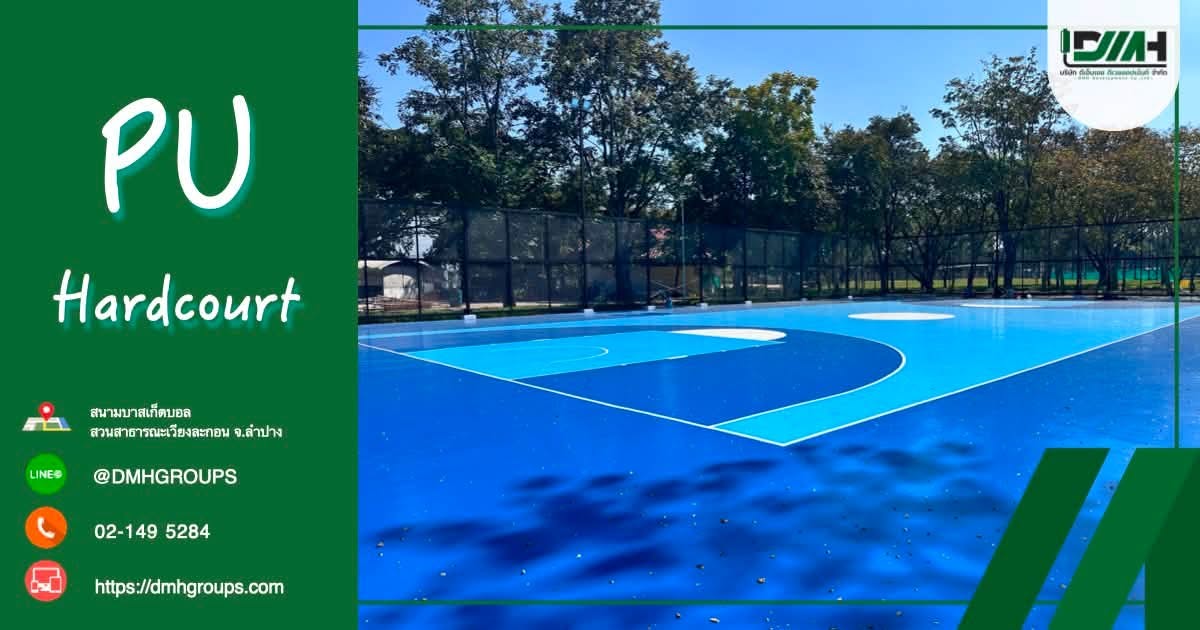
See all our projects on the DMH Groups project reference site
Frequently asked questions about PU flooring
How is PU flooring different from epoxy flooring?
Epoxy flooring is hard and resists scratching well, while PU flooring is more flexible and copes better with slab movement and changing temperatures, which is why it is chosen for cold rooms, industrial kitchens and sports courts. Our crew chooses the system based on actual site conditions.
What kinds of jobs suit PU flooring?
It suits areas that are washed with water, areas with fluctuating temperatures such as cold rooms and food factories, sports courts that need a resilient surface, and rooftops that need waterproofing.
What needs to be prepared before PU flooring installation starts?
The concrete floor needs to be dry and sound, with moisture and cracks checked. Our crew surveys the site, inspects the existing floor and tells you what repairs are needed before the system goes on.
How do I get an assessment for a PU flooring job?
Contact the DMH Groups team by phone or LINE and tell us the area and how it is used. We will arrange a site survey and assessment free of charge.
How many days does a PU floor take to install?
It depends on the area, the system chosen and the condition of the existing floor. Our crew will give you a timeline after the site survey.
Can I apply a PU floor myself?
A floor system needs proper surface preparation and materials mixed in the correct ratio to bond to the concrete, so we recommend having an installation crew do the work.
Content by: DMH Groups expert installation team (20+ years of experience) · Last updated October 16, 2026
Need a PU floor? Contact the DMH Groups team for a free site survey and assessment. Call 083-805-2305.